

Listen.Look.Follow up. — Dr. Kamal Boostani
Gastroenterology Tabriz
For heartburn, bloating, belly pain or an unusual liver result. We listen first, then look for the cause.
Listen first, then look for the cause.
Dr. Kamal Boostani is a gastroenterology doctor in Tabriz. The digestive system is the path food takes from the mouth to the bowel, together with the liver, gallbladder and pancreas. Heartburn, bloating, constipation or diarrhoea that goes on for weeks each have several possible causes, and they are not investigated in the same way. Not every patient needs an endoscopy or a colonoscopy. This site helps you know which page fits your symptom, when not to wait for an appointment, and what to bring to the first visit.
More about the doctorFrom reflux and bloating to the liver and bowel, in plain language.
Every digestive symptom has its own causes and its own way of being investigated. These pages explain what the problem is, how it is assessed and how treatment generally goes. Your diagnosis and treatment plan are decided by the doctor after an examination.
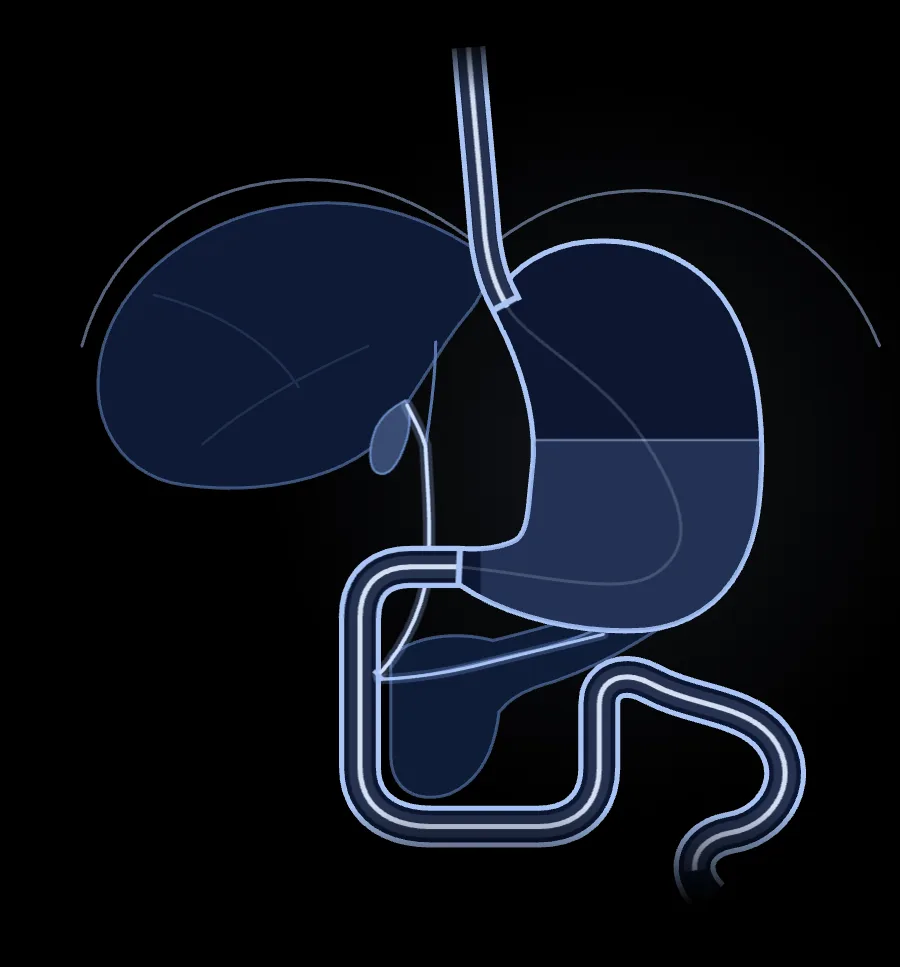
Reflux, heartburn and swallowing problems
Burning behind the breastbone, sour taste, a feeling of food sticking or a night cough that has gone on for months. It has to be clear whether it comes from the stomach and oesophagus or from something else, and if swallowing has become hard, it should be assessed sooner.
Read moreUpper abdominal pain, bloating, H. pylori and stomach ulcer
Pain or heaviness in the upper abdomen, bloating after meals or a positive H. pylori result. A plain explanation of the causes and how they are investigated.
Read moreIrritable bowel, constipation and long-lasting diarrhoea
A change in bowel habit that has lasted weeks, with cramps or bloating. Warning signs are checked first, then the cause.
Read moreFatty liver, hepatitis and gallstones
An abnormal ultrasound or liver test, pain under the right ribs, or jaundice. What each result means and the next step.
Read moreCrohn's and colitis, blood in the stool and bowel screening
Bloody diarrhoea, blood in the stool, inflammatory bowel disease or a family history of bowel cancer. When and how the bowel is examined.
Read more
From your story to follow-up
Not every symptom ends in an endoscopy. We listen first and look for the cause, and only then, if it is needed, move on to further tests. At each step you know what comes next.
- Step 1 of 5.
Listening to your story
You are asked about your symptoms, your food and medicines, and your family history. Bring earlier test results and reports.
- Step 2 of 5.
Examination
The examination is read together with your story, and it shows which tests are needed and which are not.
- Step 3 of 5.
Tests and imaging
Blood or stool tests, an ultrasound or other imaging, only where they answer your question.
- Step 4 of 5.
Endoscopy, if needed
Not everyone needs an endoscopy or a colonoscopy. If you do, know the reason and the preparation beforehand. The instructions of the centre doing the procedure come first.
- Step 5 of 5.
Treatment plan and follow-up
You set the plan together and know when the follow-up is. Warning signs, such as vomiting blood or black tarry stools, do not wait for the next appointment.
With you at every stage of diagnosis, treatment and follow-up.
The patient support form has six sections: laboratory, imaging, pharmacy, referral to doctors, rehabilitation and wellbeing, and services at home.
Medical diagnostic laboratory
Quick appointments and quick results.
Medical imaging and ultrasound
Specialist ultrasound, MRI and CT scan.
Pharmacy and specialty medicines
You write the name of the pharmacy on the form.
Referral to specialists and sub-specialists
You write the name of the doctor or the specialty you want on the form.
Rehabilitation and wellbeing
Quick appointments and referral to rehabilitation and wellbeing specialists, arranged by the support team.
Treatment and rehabilitation at home
Specialist treatment and rehabilitation services at home.
Wherever the form says "free", that service is free.
What is worrying you?
Tap what you are facing to reach the matching page. This list is not a diagnosis; it only points you to the right page.
- Heartburn
- Difficulty swallowing
- Bloating and cramps
- Constipation
- Long-lasting diarrhoea
- Blood in the stool
- A fatty liver result
- An abnormal liver test
- A positive H. pylori test
- An endoscopy or colonoscopy appointment
Vomiting blood, black tarry stools, sudden severe abdominal pain, jaundice with fever, being unable to swallow, or chest pain that could be from the heart cannot wait for an appointment. In an emergency, call 115 (Iran's emergency number). When should I act urgently?
Simple answers to the first questions.
Is this burning from the stomach or the heart?
Burning or pressure behind the breastbone can come from the stomach and oesophagus, but heart pain sometimes feels the same. If the pain gets worse with walking or effort, spreads to the arm, jaw or back, or comes with sweating and shortness of breath, do not wait for an appointment. Call 115.
Does endoscopy hurt? Is anaesthesia needed?
The discomfort of an endoscopy is usually short, and most people find it bearable. Whether a sedative or anaesthesia is given depends on your condition and on how the centre doing it works. Ask that centre before the procedure.
What do I do before a colonoscopy?
The bowel has to be clean to be seen, and the preparation (food and cleansing medicine) differs a little from one centre to another. The instructions of the centre doing the colonoscopy come first. Do not stop your regular medicines without asking.
What does H. pylori mean?
Helicobacter pylori is a bacterium that lives in the stomach and can lead to inflammation or an ulcer. A positive result means it needs to be discussed, not that you should start medicine yourself. Whether treatment is needed, and which, is the doctor's decision.
Is fatty liver dangerous?
It means fat has built up in the liver. In many people it causes no symptoms and does not always lead to serious damage, but in some it continues, so it should not be ignored. Weight, blood sugar and blood fats play a part, and regular follow-up is needed.
What should I eat? Does food affect digestive symptoms?
Food does not affect everyone in the same way. Some foods make a symptom worse for one person and not for another. Writing down what you ate and how you felt is better than guessing. The food and habits guide is in the patient guide.
Does stress play a part too?
Yes, stress and anxiety can make bloating, cramps, diarrhoea or constipation worse. That does not mean the symptom is imagined. But before putting it down to stress, warning signs need to be ruled out.
When should I go to the emergency room?
Vomiting blood, black tarry stools, sudden severe abdominal pain, jaundice with fever, being unable to swallow, severe dehydration, or chest pain that could be from the heart cannot wait for an appointment. Call 115. The full list is in the patient guide.
Does the doctor do the endoscopy or colonoscopy himself?
Details will be announced once the doctor confirms them.
Do you work with insurance?
The list of insurers will be announced soon.
Do you offer online follow-up?
Details will be announced once the doctor confirms them.
These answers are general and do not replace your doctor's advice for your situation.
The first step, a calm conversation.
Go to the booking page or talk to support. Either way, we are with you.
Support number